Japanese Warrior Cedar Bonsai: Small Tree, Big Presence
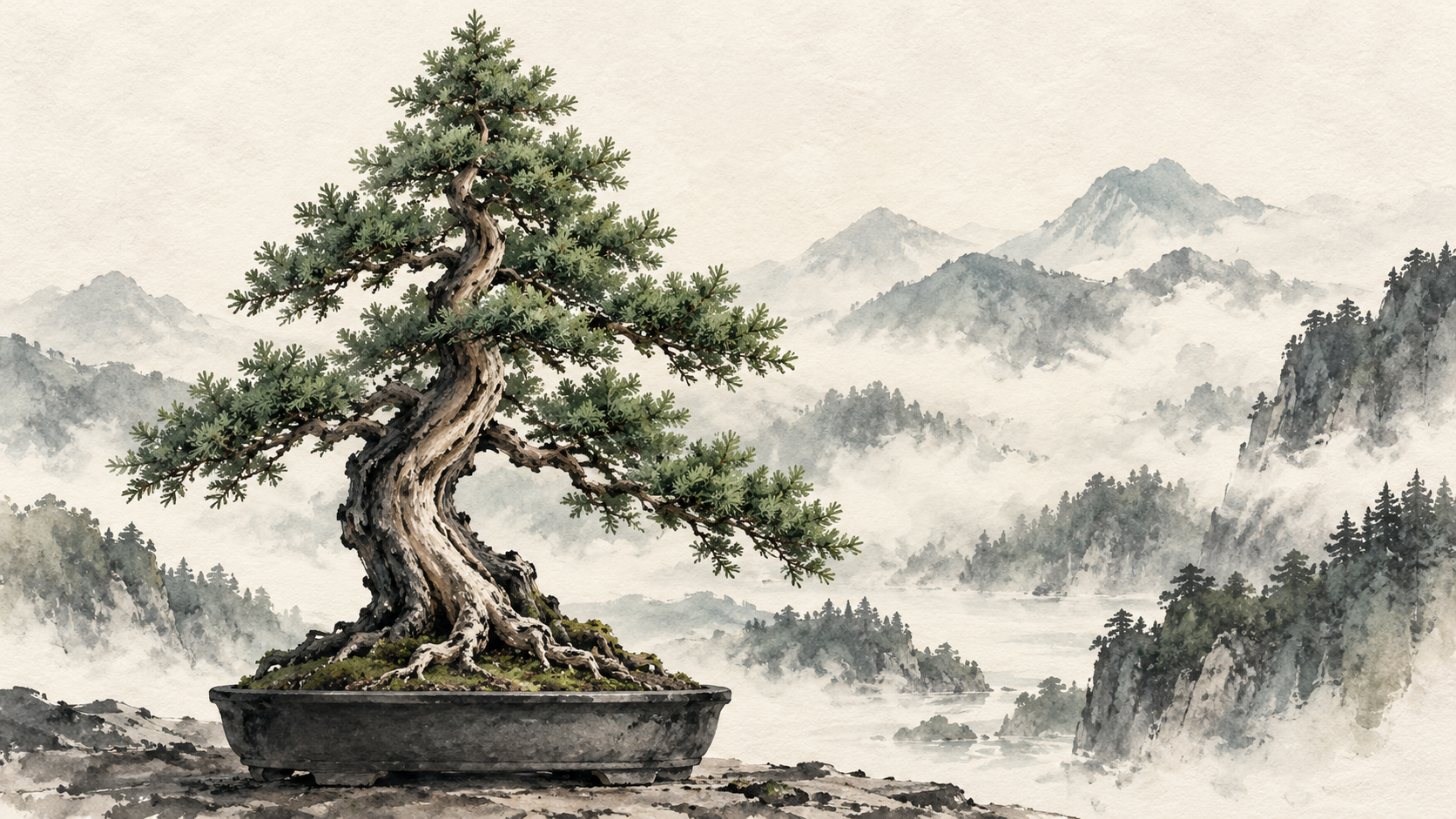
Imagine an entire forest reduced to one tree—and that tree looks like it’s guarding something.
That’s the appeal of a Japanese cedar bonsai with a warrior-inspired shape. A strong trunk. Deliberate branches. Enough space between the foliage to see its structure. You can picture it standing on a mountainside, taking whatever the weather throws at it.
Except it fits in a pot.
Japanese cedar, known as sugi, brings fine green needles and textured bark to the composition. It’s often styled upright, echoing the way it grows in nature. That natural posture makes a compelling starting point for a tree with a watchful, almost defiant presence. Bonsai Empire
“Warrior” here is a creative theme. Think of a lone sentry: feet planted, shoulders balanced, completely still. You can suggest that feeling through the tree’s shape without adding a single miniature sword.
The hardest part? Knowing when to leave it alone.
With bonsai, it’s tempting to keep adjusting. Trim this. Bend that. Make it look older by next Tuesday. But a convincing tree develops slowly. A branch needs time to thicken. Fresh growth needs room. Sometimes the best decision you make all week is putting the scissors down.
That’s where the hobby gets interesting. You start noticing things you used to walk past: a new shoot, a patch of bark, the way morning light catches the needles. Checking on a little tree somehow becomes a reason to step outside.
Of course, your tiny warrior still gets thirsty.
Japanese cedar bonsai needs close attention to watering; its rootball shouldn’t dry out completely. It benefits from partial shade during intense summer heat, and its roots need protection from freezing in a shallow pot. Older branches can also be brittle, so dramatic styling requires patience and care. Bonsai Empire care guide
Choose a simple pot. Give it an uncluttered outdoor setting suited to its needs. Let the trunk and branches do the talking.
Then take a photo.
A year from now, take another. The difference between those two pictures—the growth, the choices, the occasional mistake—is where this tree’s story really begins.